
About Us
About us
Folk Project is a California-based design studio creating soulful furniture, home objects, and capsule collections inspired by the beauty of traditional craftsmanship. Through thoughtful design and ethical collaboration, we create lasting pieces that honour heritage, artistry, and the stories woven into every material. We work closely with multi-generational artisan communities throughout Guatemala and Mexico, celebrating their knowledge, techniques, and cultural expressions while bringing their exceptional textiles into contemporary spaces.
Since 2005, our mission has been to design with intention — creating objects that exist beyond trends and connect people to the hands, places, and traditions behind them. Each piece is a tribute to the beauty of handwoven textiles and the living cultures that inspire them.
From the Chapin highlands to the valleys, every region tells its story through its unique design of huipil — a garment that carries far more than craftsmanship. It is a reflection of identity, memory, and generations of artistic expression.
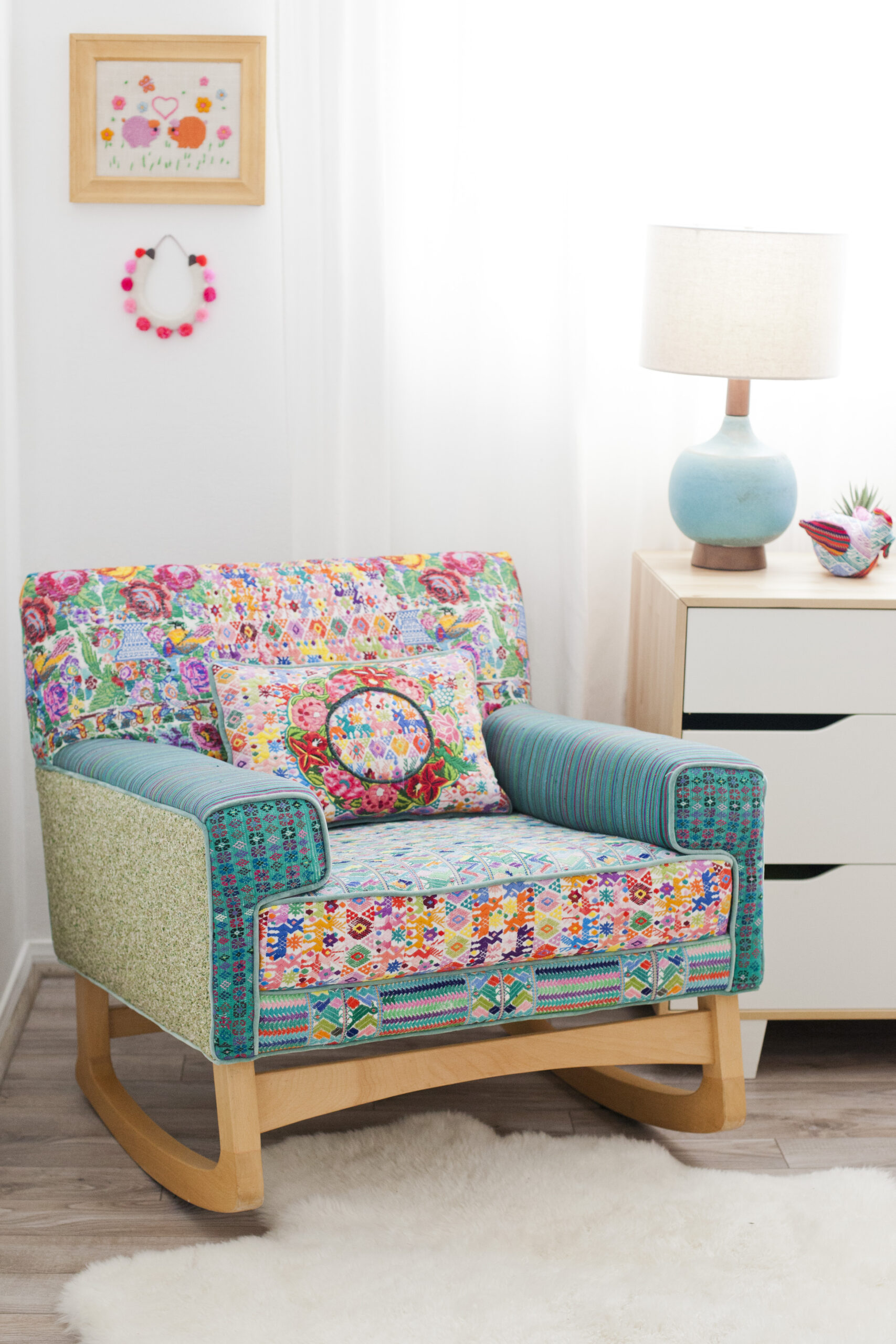
We hope to inspire curiosity, appreciation, and connection by creating a bridge between artisans, their communities, and the people who welcome these meaningful pieces into their homes.

The journey
My work has always lived at the intersection of art, culture, textiles, and design. I studied Art History and Anthropology at the École du Louvre in Paris, followed by Fashion Design at Atelier Chardon Savard. Growing up in the South of France, I was drawn from an early age to the material culture and traditional textiles of different regions, including those of my own heritage. My fashion diploma collection brought these influences together, reworking traditional European garments and textiles into a contemporary collection.
Years spent living in South and Central America deepened my connection to the region and its extraordinary textile traditions. I became fascinated by the stories, techniques, colors, and cultural knowledge woven into everyday objects and clothing.
Culture, fashion, and design are not separate worlds. They are different ways of understanding how people express identity, history, and creativity through the things they make and live with.
Folk Project grew from this curiosity—a desire to bring these traditions into contemporary spaces while honoring the people, materials, and stories behind them.
Threads of Heritage
Indigenous cultural heritage is carried through both tangible creations and intangible traditions passed from one generation to the next. For many Indigenous women, clothing has long been a powerful form of expression — a quiet yet eloquent language through which identity, history, and belonging are woven into the present and carried forward for future generations.
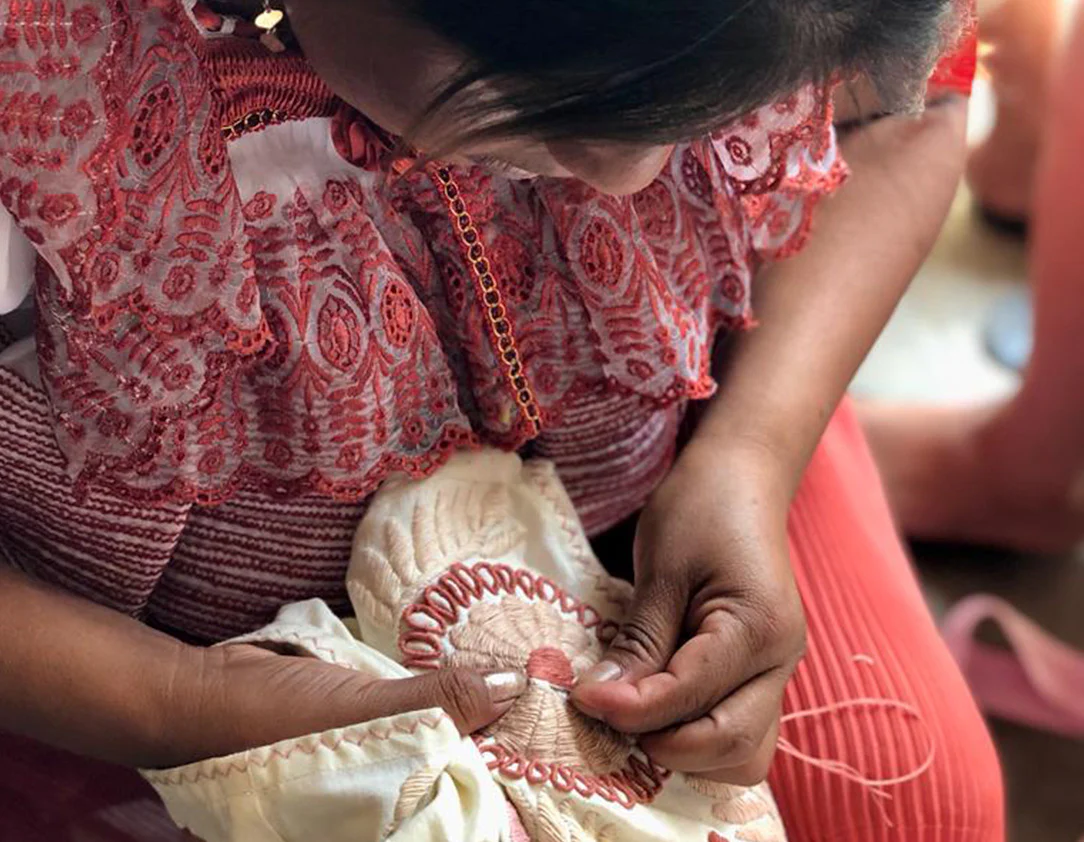
Maya textiles are remarkable for their vibrant colors, intricate geometric patterns, and floral motifs. These designs are more than decoration; they are part of a visual language that reflects community identity, ancestral knowledge, social connections, and spiritual beliefs. Each textile carries layers of meaning, with symbols and patterns understood differently depending on one’s relationship to the culture and traditions behind them.
For many weavers, textiles are also a deeply personal form of creativity and storytelling. Some messages are shared within the community, while others remain intimate expressions of the woman who created the piece. Every thread holds a connection to place, memory, and the hands that brought it to life.
