

Folk Project
Folk Project
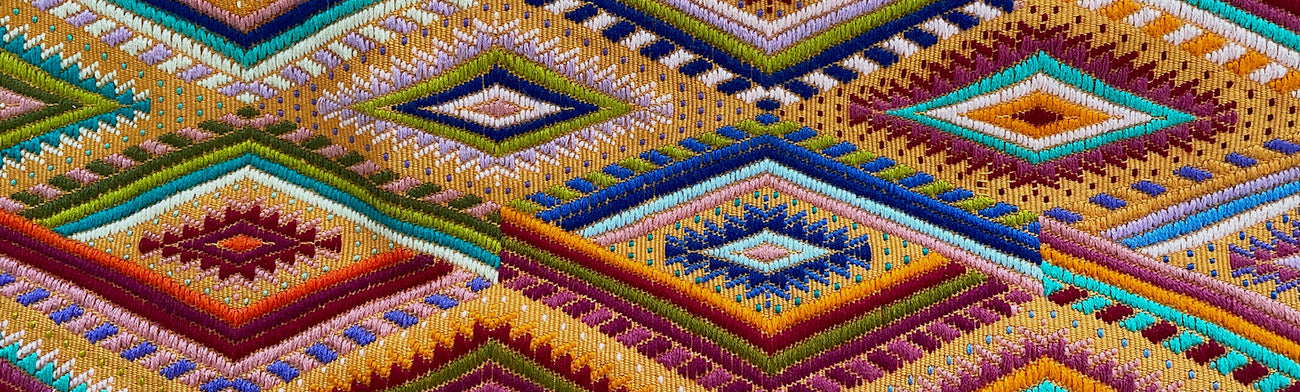
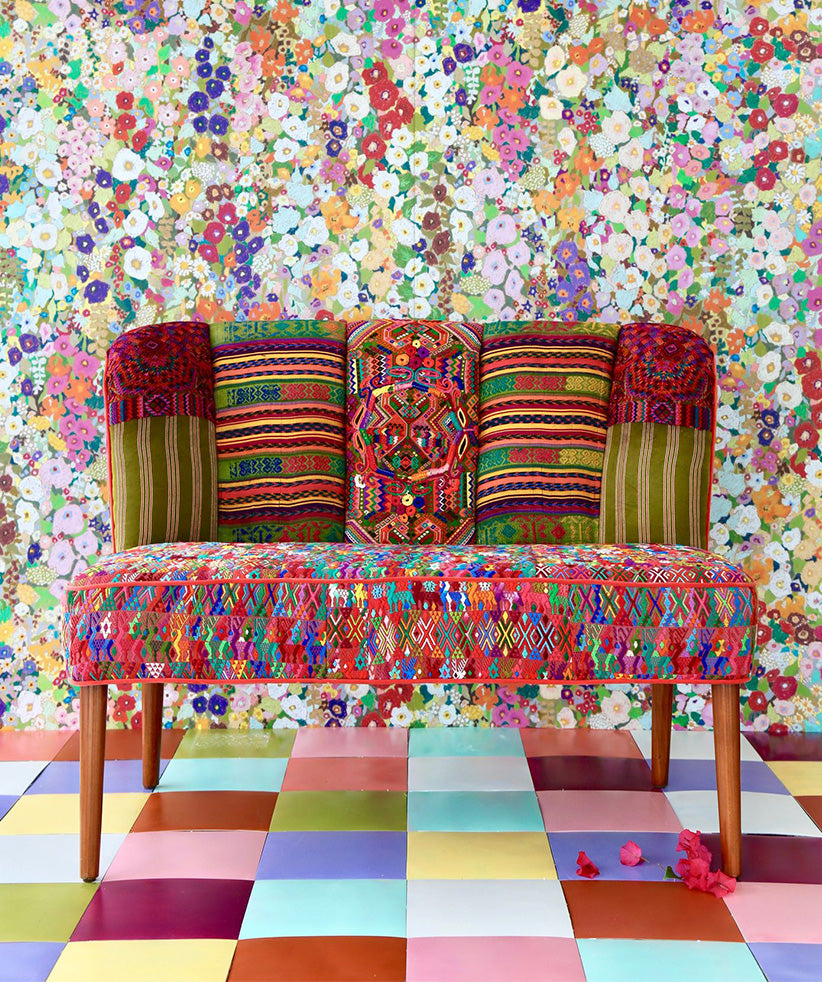
Folk Project is a California-based home décor and design studio dedicated to preserving heirloom practices through thoughtful, ethically made furniture, home objects, and capsule collections designed to last.
We work in close collaboration with multi-generational artisan groups in Guatemala and Mexico to create meaningful pieces that honor heritage, craftsmanship, and cultural expression.
Since 2005, our mission has been to design with intention and care—bringing together stories of artistry to create objects that exist beyond trends. Each piece is a tribute to handwoven beauty and folk traditions.
Through our work, we aim to spark curiosity, joy, and appreciation for these living traditions. Folk Project is committed to celebrating Central American textile culture and continuing this ongoing dialogue between artisans, communities, and those who welcome these pieces into their homes
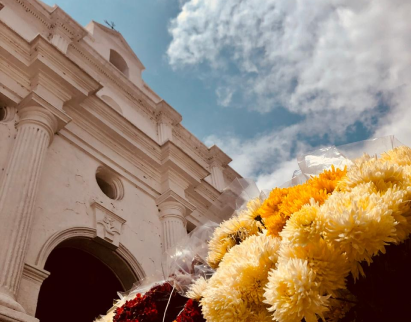
Our story began with a journey through Central America, where we were deeply inspired by the culture, the people, their craftsmanship, and their refined sense of beauty. Folk Project grew from a desire to share the work of the artisans we encountered across our travels.
From the mountains of Chiapas to the rainforest of Palenque, each region expresses its identity through the huipil—a garment that goes beyond technique. It is a living expression of cultural memory, regional identity, and artistic heritage.
Each handcrafted piece we create carries these stories forward, translating traditional textile languages into contemporary forms.
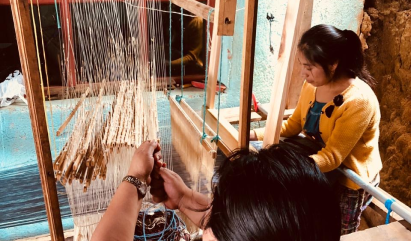
Folk Project has built long-standing, fair, and respectful relationships with its partner artisans. Prices are set directly by the artisans, who operate independently through cooperatives, family businesses, and collectives. We are committed to honoring their pricing and ensuring all payments are made in full and with integrity.
The Maya and the Huipil
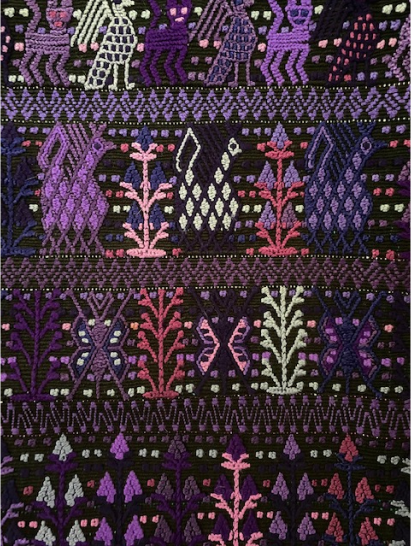
Nowadays, Maya people inhabit the southeastern half of Mexico, Belize, Guatemala, and Northern Honduras. They speak 28 dialects. Just as language and social traditions distinguish one group from another, so do their garments and the designs that ornate them. The clothing that contemporary Maya people wear, as well as a variety of daily use or ceremonial textiles, are a material expression of a collective language. Indigenous cultural heritage is the legacy of tangible physical artifacts and intangible aspects of a group or society. Especially for women, clothing is the main medium, silent but eloquent, through which the local ethnic identity is transmitted from past generations to the present and bestowed for the benefit of future generations.
Mayan textiles stand out with their vivid colors in every shade dreamable and covered in geometric and floral patterns. These patterns are the visual codes of a symbolic system that communicates social and political information as well as spiritual beliefs. They speak on a variety of levels, and the ability to decipher their message depends on the degree of one's literacy, which is often linked to the person's extent of cultural initiation.
Some messages are meant only for the members of the immediate community and sometimes only for the weaver herself, whose textiles are an essential outlet for personal creativity.
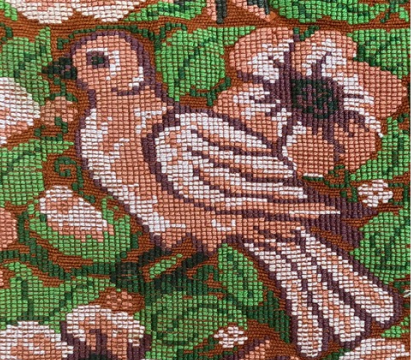
The way the Huipil is made has also some significance. In some areas like Tecpan, the brown lines that are the back pattern of the ceremonial Huipil represent the furrows of the earth when planting crops. In other places, the center of the Huipil has special names. Like in Tecpan, or Comalapa the central part of the Huipil is called ”ruwa ruk’ux”, “on her heart”, and on her chest. That particular piece is a masterpiece with all the boldest figures as well as the most ancient. In Colotenango, the central part of the Huipil is named “the mother”.The center is also the place where the villagers meet for their ceremonies and processions. In the center is the Temple. And in the center, you can find the Ceiba, the sacred tree for the Maya. So again weaving as a sacred activity shows the various levels of significance it can have. Some are just aesthetic, some cosmological, some cultural. Some are part of the “costumbre”, meaning they might have significance, but the meaning has been lost but the pattern remains
Some symbols meanings
While some patterns are purely esthetic or directly copied from a cross stitch pattern book, some particular patterns have special meanings in Maya culture. Symbols vary in form, shape and can have different meanings in different places.

The Tree of Life
The tree of life in San Juan Sacatepequez: "two people, one life". This symbol represents the life of man: birth, growth, reproduction, and death. But also the union of 2 people that become one in the form of a branched tree. The fruits that the tree bears are the children.
The Butterfly
In tactic principle, the Butterfly represents the freedom of creativity of the weaver before the weaving process begins. It also symbolizes freedom and free will in life in deciding which path we want to take.
The Serpent
The Serpent, in San Martin, Chimaltenango, the Serpent represents the protector of human beings. It serves as a guide on the path of life. The Serpent is also associated with weaving, the rain, and fertility. It is a well-diffused pattern in Mayan weavings.
The Chompipe
The Chompipe or turkey, in San Juan Sacatequepez represents the offering of the parents of the groom to his bride.
The Lion
In Nahuala, the Lion of wealth is a symbol of strength, power, and prosperity. He is also associated with good luck.
The Quetzal
It is the national bird of Guatemala. The quetzal is viewed as a symbol of goodness and light and can be seen in many traditional designs.
Flowers
Flowers represent fertility or new life.